New Schools for Better Educational Opportunities in Jordan
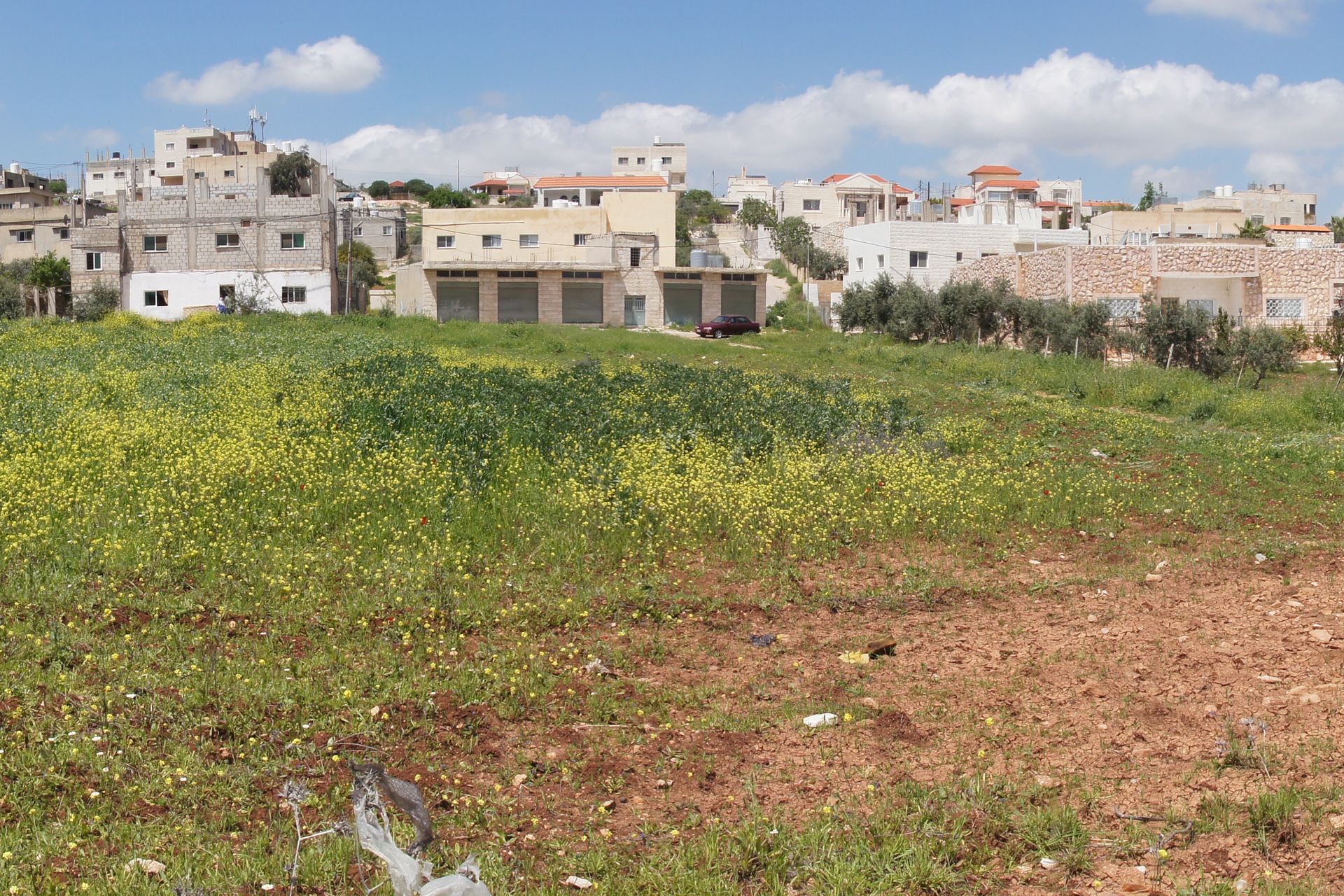
In Jordan, the construction of new schools improves access to education for Jordanian and Syrian children. Better learning conditions strengthen their personal and economic prospects as well as stability and social cohesion.
The influx of Syrian refugees placed severe pressure on Jordan's education system through overcrowded classrooms, double-shift schooling and declining educational quality. The Jordan Response Plan for the Syria Crisis (JRP) therefore identifies the need for additional school infrastructure.
Together with its partners, Dorsch Impact GmbH designed 18 modern, child-centred schools and supervised their construction. Inclusive and accessible learning environments with sports fields and multipurpose halls support learning and participation; solar power, energy-efficient systems and water-saving measures enable net zero energy buildings.

Areas of Expertise
- Architecture & Buildings
- Good Governance, Peace & Social Cohesion
- Climate Mitigation & Adaptation
- Education & Science
Companies
Dorsch Impact GmbH
Client
Ministry of Public Works and Housing (MoPWH), financed by KfW / EU
Duration
From 2019 to 2026
Location
Multiple locations, Jordan
Project Activities
Scope of services provided by Dorsch Impact GmbH:
- Urban planning and site-specific masterplanning with consideration of future extensions, the surrounding area and vegetation
- Individual design of 18 child-centred, fully functional schools based on the 21st Century School concept
- Design of classrooms and specialist rooms, including computer and science laboratories, and modern school furniture
- Inclusive and accessible design
- Integration of sports fields and multipurpose halls for community use
- Design of net zero energy buildings with solar power, energy-efficient systems, water-saving measures and environmentally friendly materials
- Construction supervision and quality assurance
Impact
- 18 schools with 410 classrooms provide capacity for more than 15,300 pupils
- Reduced double-shift schooling and overcrowding improve learning conditions
- Equitable access to primary and secondary education for Jordanian and Syrian children
- All schools rely on 100% renewable energy sources
- Average annual savings of 90 tonnes of CO₂ emissions per school
Contributing to the UN Sustainable Development Goals
We are committed to making a positive impact and supporting the UN Sustainable Development Goals (SDGs). This project contributes to the following SDGs:
Companies