Climate action: an infrastructure imperative

| Insights

From power grids and water networks to urban systems: Climate change is already testing the networks societies depend on, while infrastructure decisions made today shape emissions and resilience for decades. Addressing both requires more than isolated technical fixes: energy, water, mobility, buildings and urban systems need to be planned and delivered together.

A series of broken records

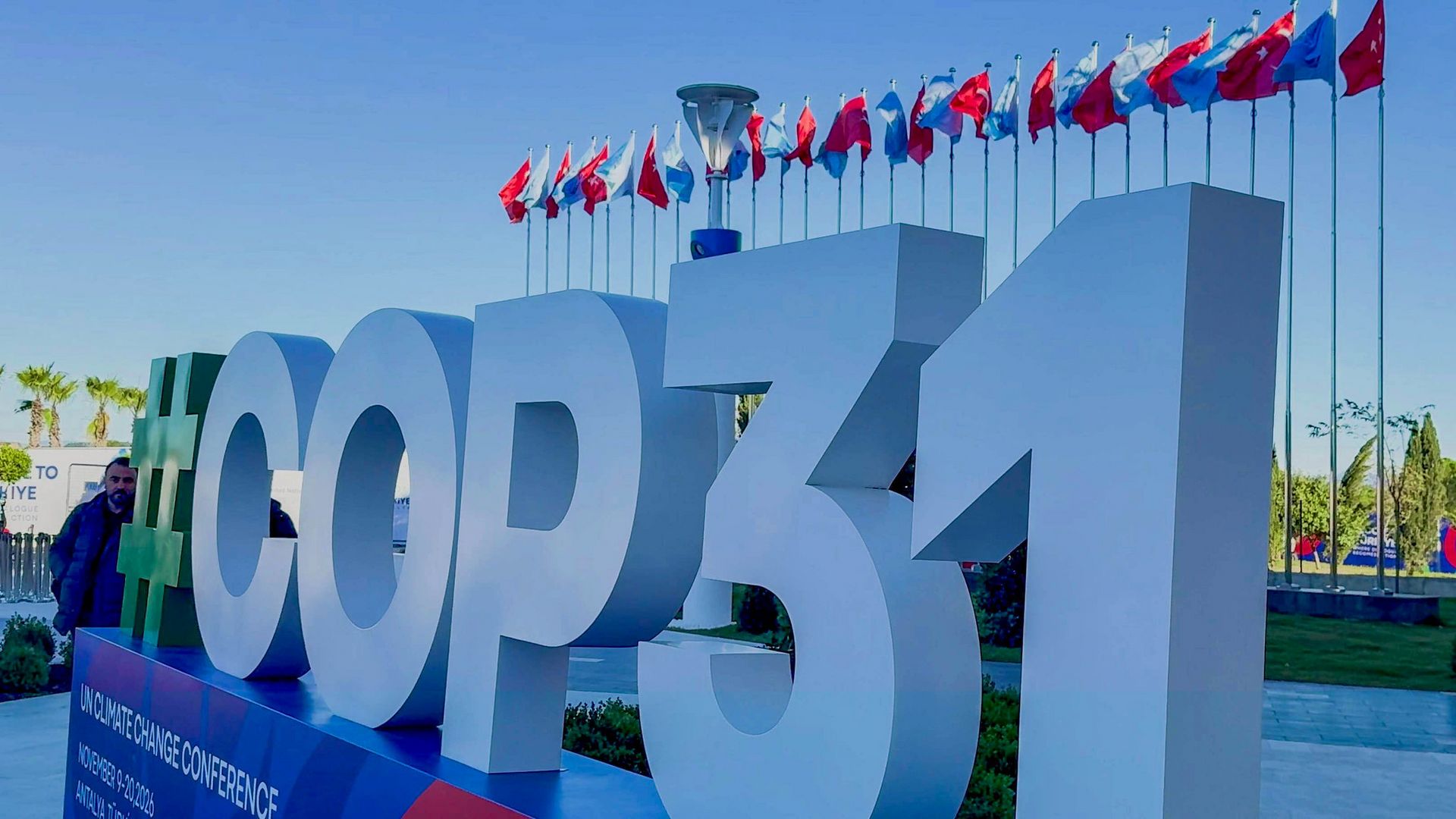
As COP31 opened in Antalya, Celeste Saulo, Secretary-General of the World Meteorological Organization (WMO), delivered a message that carried weight. The world should prepare for 2027 to be the hottest year ever recorded, with the natural El Niño cycle piling on top of human-made warming. The past twelve years were the warmest on record, and the last four, including 2026, were the four warmest of all[1]. The Climate Change Performance Index 2027, published to coincide with the conference, delivers a familiar verdict: no country is doing enough to meet the Paris Agreement[2]. The figures underline both the scale of the climate challenge and the gap between required action and progress. For Ann-Sophie Abel, Global Head of Sustainability at Dorsch Global, they raise a practical question: how can infrastructure planning and delivery help cut emissions while making societies more resilient to climate impacts?

The science is clear, the targets are agreed, but progress remains slow. Climate change is often debated as an environmental topic. But it is also lived as an infrastructure one - in power grids, water networks, buildings and transport systems. That is where emissions are locked in for decades by decisions taken once. And it is where the transformation will either be delivered or quietly deferred.

The bill arrives in many currencies

It is tempting to dismiss the COPs as a tired debate about treaties and policies. COP31 has hit a record with over 95,000 registrations, making it the most attended climate summit ever, but the absence of many of the most powerful heads of state is loud. 

However, in economies and businesses, the bill is already being settled. Climate-related damage worldwide has exceeded USD 1 trillion over the past five years[3].

Much of that cost is an infrastructure cost, because much of our infrastructure was built for a climate that no longer exists. And it is felt directly by societies worldwide. In late May 2026, a surge in water demand left some 8000 customers in Kent, UK with no water as reservoirs reached critical levels[4]. A hot weekend had met a network designed for a cooler summer. In April 2024, the United Arab Emirates recorded its heaviest rainfall since records began in 1949, with roughly a year's rain landing on Dubai in a single day. Roads, the metro and the airport were overwhelmed, and estimates put insured losses at USD 2.9–3.4 billion[5]. Drainage designed for an arid climate had nowhere to send the water. Here, too, nothing was defective. The design brief had simply been overtaken.

The pattern holds on the emissions side too. Buildings account for over a third of global energy-related emissions. Transport accounts for nearly a quarter, and the world's cities are battling congestion. These are not separate problems on separate desks. They are the same problem, seen from different windows.

Politicians may argue over mitigation and adaptation measures or regulations, and parts of the public may tire of the argument. But with extreme weather events becoming more frequent, insurers, lenders and buyers don’t debate climate, they price it.  

When climate risk becomes an operating cost

The mechanism is rarely dramatic. When river levels fall low enough, barges sail part-laden, freight costs jump and plants that depend on the water must ration output. This summer, on the Danube, barges were forced to operate at roughly 30% of their usual capacity due to reduced water levels[6]. In June, a French nuclear power plant shut down when the Garonne river used to cool the plant became too warm[7]. Neither event was an environmental story. Both created operating-cost and capital-expenditure problems, compounding supply chain uncertainty and economic losses - and both arrived through water, not carbon. That is why narrowing climate to emissions alone falls short. 

The window is open

Here is the encouraging part: The costs of inaction exceed the costs of action.  According to the European Commission, adapting Europe's economy and infrastructure to a changing climate is expected to cost roughly €70 billion annually until 2050. However, returns of more than ten times the investment are projected through avoided losses[8]. Similarly, the World Bank estimates that every dollar invested in resilient infrastructure in low- and middle-income countries saves four dollars in avoided losses[9]. 

Note what both figures describe. They are not subsidies or offsets. They are returns on built assets – on networks that keep running when the weather turns. Yet, climate action competes with a crowded agenda, in companies, municipalities and governments alike. When the problem is planetary, it is easy to feel that one's own contribution is too small to count. The scale is also what makes the work tractable: nobody can fix the climate, but a city can fix its heat network, and a utility can fix its losses. What this requires is a broader lense: not siloed, but interdisciplinary – not designed for election cycles, but for long-term resilience. 

Our integrated approach: engineering for resilience

Solutions exist, and many more are being prototyped. Few of them sit within a single discipline: a wastewater plant can also be a power station, and a park not only serves as a place of recreation for the public but also helps to lower the temperature in the city centre. That is how we approach climate at Dorsch Global. It is not a stand-alone department. Instead, it runs through every discipline we work in: energy, mobility, water, urbanisation, architecture & buildings, and environment & society. Our engineers and planners, more than 7,500 of them across over 60 countries and some 12,000 ongoing projects, are trained to leverage the interfaces at which resilience is built. 

“
Climate targets are set in conference halls. They are met on railway tracks, in integrated engineering systems and at treatment plants. They respond to what gets built, and how well it is planned. That is the work we are here to do.

Ann-Sophie Abel, Global Head of Sustainability at Dorsch Global 

”

Three examples show what that looks like in practice 

Energy - from generation to grid

Globally, around USD 2 trillion a year now flows into clean energy, twice the roughly USD 1 trillion going to fossil fuels[10]. Renewables are now the cheapest source of power in most parts of the world, and they accounted for 90% of all electricity capacity added worldwide in 2024[11,12]. The task is no longer to prove the technology but to build the grids, storage and heat networks that let it deliver – with engineering work key to the equation.  

  • In Gießen, river-water heat pumps will supply renewable heat to more than 3,000 homes. Our teams at spiekermann ingenieure, KREBS+KIEFER Ingenieure, BLS Energieplan, and Dorsch Engineers delivered the process and hydraulic engineering, building, structural and open space planning while navigating river water level fluctuations and noise protection.
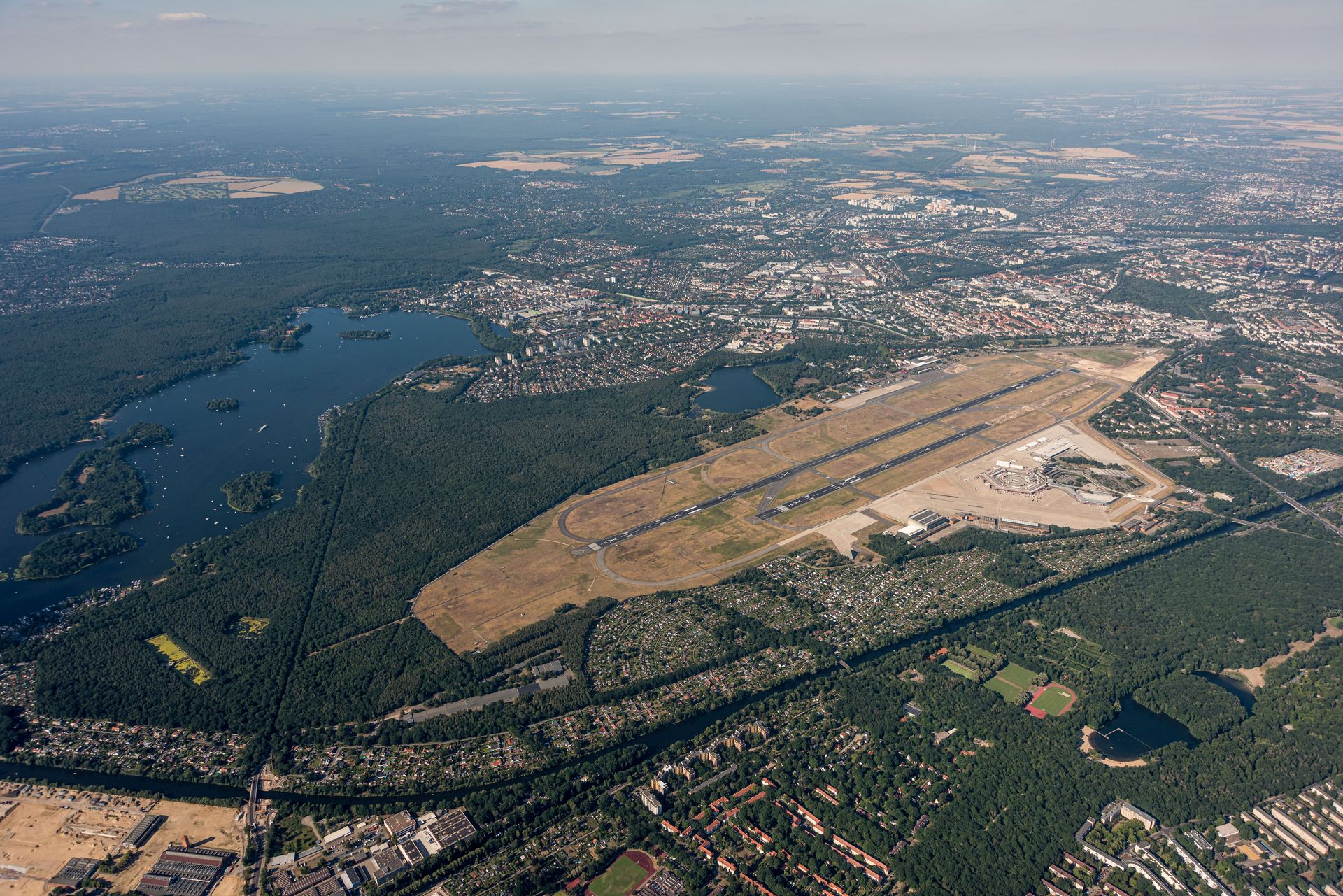
  • On the 500-hectare site of the former Berlin-Tegel airport, BLS Energieplan developed an energy concept based on heat pumps, geothermal energy, wastewater heat and biomethane to make a district of around 5,000 homes and 20,000 jobs climate-neutral, with tenants feeding surplus heat back into the network.

Water - making every drop count

Around five times more energy can be produced from wastewater than is needed to treat it, yet some 320 billion cubic metres a year go untapped for reuse[13]. Treatment plants, in other words, are usually run as a cost. They can be run as a resource. We see the potential in practice. 

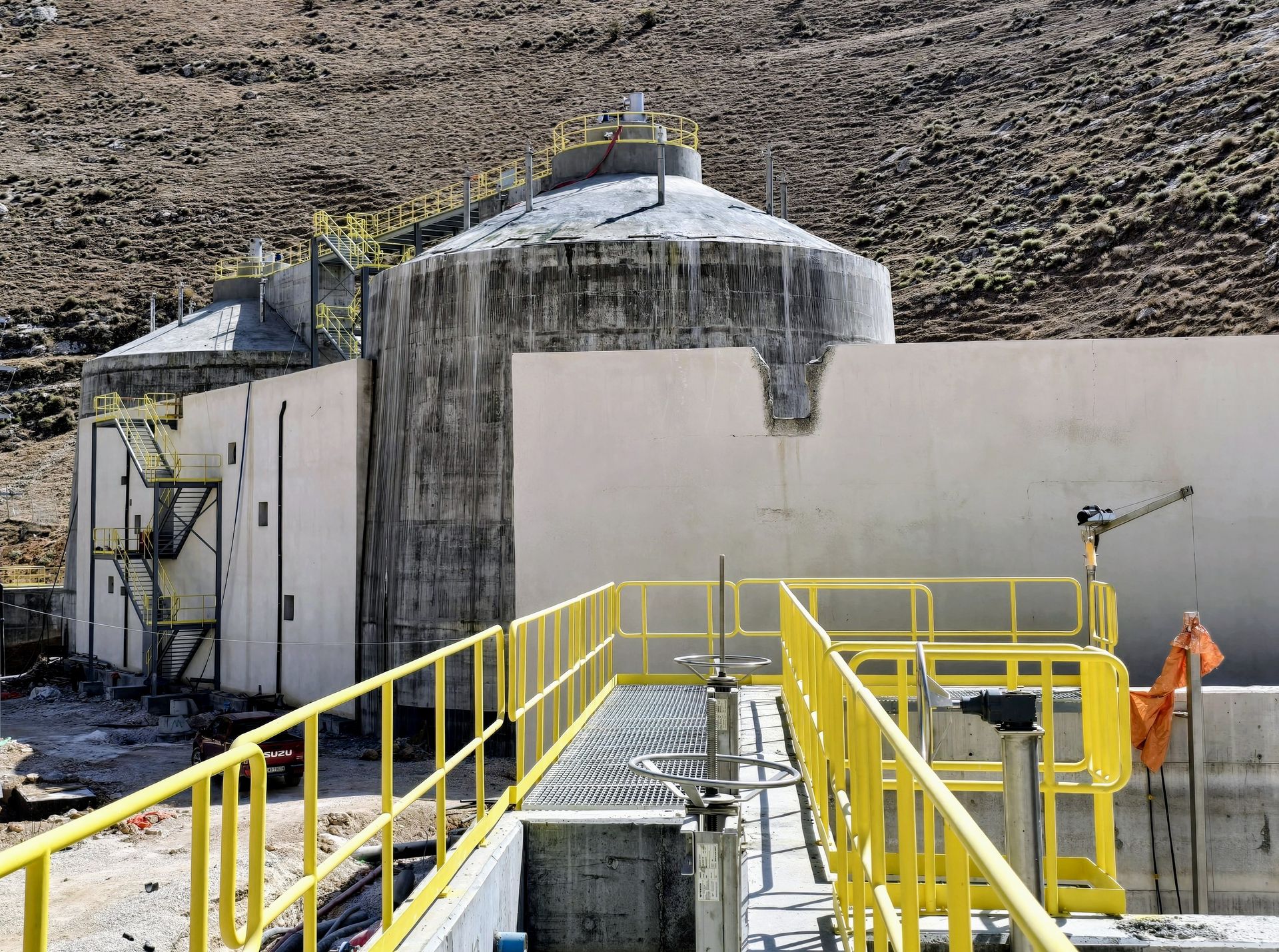
  • In Jordan, working with the Water Authority of Jordan and KfW Development Bank, Dorsch Impact is rehabilitating wastewater treatment plants serving 500,000 population equivalents, adding combined heat and power from biogas and hydropower so that the plants run more efficiently and emit less, while treated water is reused to irrigate the Jordan Valley. Energy, water and food planning in a single scheme.
  • In Riyadh's Diriyah Gate district, Dorsch KSA is providing design review and construction supervision across underground utilities, power supply systems, road infrastructure and a state-of-the-art sewage treatment facility supporting a resource-efficient urban transformation.

Mobility - every route a responsibility

Shifting from private cars to buses and trains can cut passenger emissions per kilometre by around two-thirds[14] , and the world will need twice as much urban passenger transport by 2050 as it did in 2015[15]. The below examples show a common thread - decarbonising how people move is as much about planning and behaviour as about hardware.

  • In Riyadh, a city shaped for decades by cars, Dorsch Middle East has led the ITS programme behind a network that now runs six metro lines over 176 kilometres, with 85 stations, 86 bus routes and 19 park-and-ride sites.
  • In Egypt, ECG is delivering engineering services for a 2,000-kilometre electric high-speed rail network. Linking key cities, ports, and tourism hubs, the project is set to drive a significant shift from road to rail, thereby easing congestion and cutting emissions. 
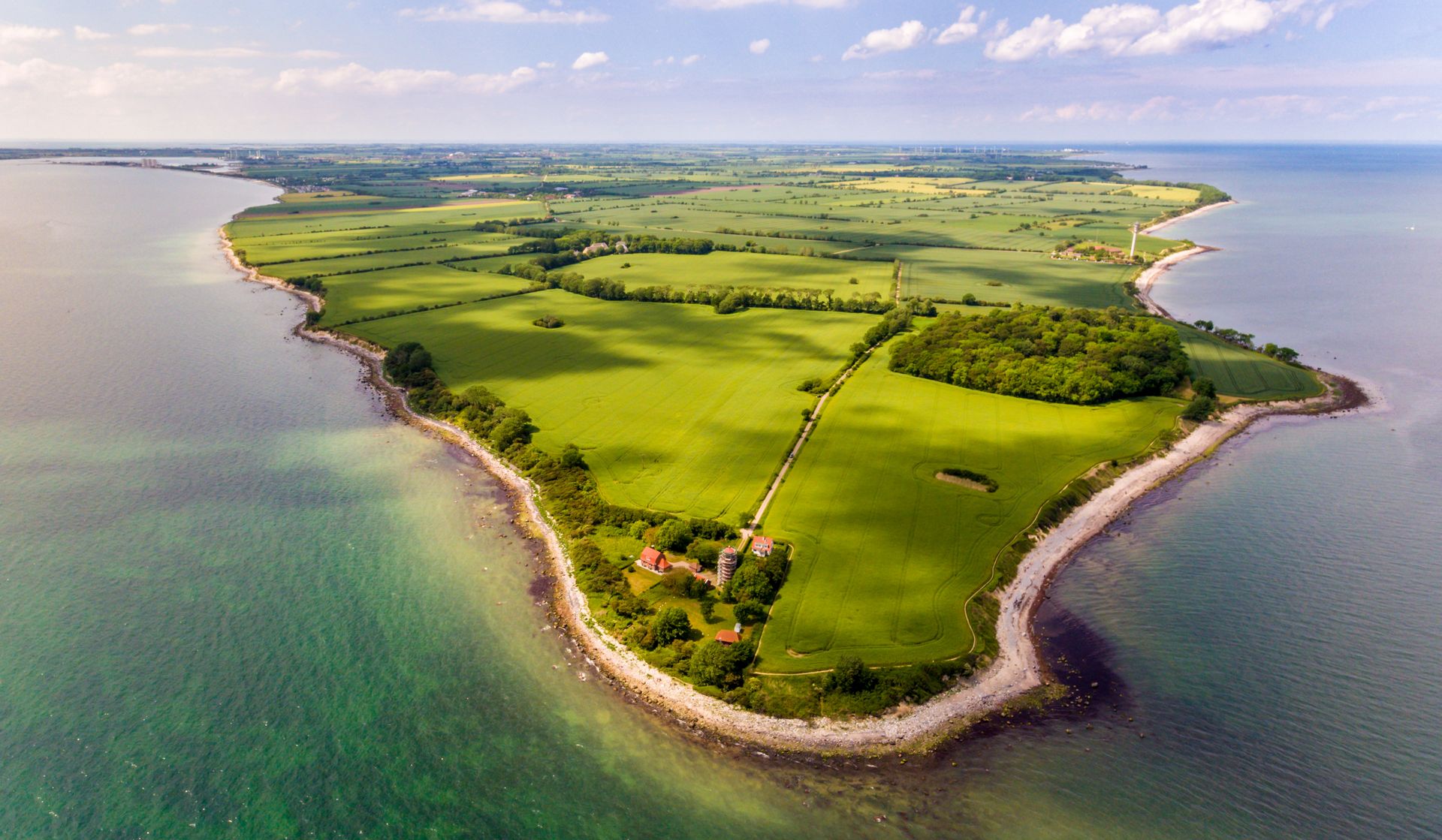
  • And on the island of Fehmarn, spiekermann ingenieure drew up a roadmap for climate-neutral mobility by 2030. Working with local authorities, our team analysed all modes of transport, developed a target system and mobility scenarios for 2030, and translated the results into a prioritised action catalogue.


The work ahead

Taken together, these projects make a simple point: no single discipline can solve the climate emergency alone. From the resilience of our power grids and water systems to the efficiency of our urban environments, infrastructure decisions are crucial in shaping our future. The rising costs of climate-related damage, the critical vulnerabilities exposed in our existing networks, and the significant potential for avoided losses through resilient infrastructure all underscore the fact that  climate action is also  an infrastructure imperative. 

It is in the integrated planning, engineering and delivery of energy, water, mobility, buildings, and urban systems that resilience can be increased. 


Sources:

1. World Meteorological Organization (WMO). (2026, November 12). COP31 State of Climate Update 2026 Press Conference Statement.
2. Germanwatch and NewClimate Institute. (2026, November). Climate Change Performance Index 2027.
3. KfW Research and Deloitte. (2025). The economic benefits of climate action: How decarbonization can enhance competitiveness and growth.
4. BBC News. (2026, May 28). Frustration mounts over Kent water supply disruption.
5. Guy Carpenter. (2024, September). Post-Event Report: Gulf Floods Update – September 2024.
6. International Transport Forum (ITF). (2026, September). Droughts and River Transport. ITF Factsheet: September 2026. Paris: OECD Publishing.
7. MIT Technology Review. (2026, June 24). Europe’s extreme heat is shutting down power plants.
8. European Commission. (2026, October 27). Commission presents Climate Resilience Framework for a better prepared and protected Europe.
9. Hallegatte, S., Rentschler, J., & Rozenberg, J. (2019). Lifelines: The Resilient Infrastructure Opportunity. Washington DC: World Bank.
10. KfW Research and Deloitte. (2025). The economic benefits of climate action: How decarbonization can enhance competitiveness and growth.
11. Li, S., Jaeger, J., Singh, N., & Layke, J. (2025). The State of Clean Energy, in 10 Charts. Washington DC: World Resources Institute.
12. International Renewable Energy Agency (IRENA). (2025). Renewable Power Generation Costs in 2024. Abu Dhabi: IRENA.
13. United Nations Environment Programme (UNEP). (2023). Wastewater: Turning problem to solution. A UNEP Rapid Response Assessment. Nairobi: UNEP.
14. Welle, B., Kustar, A., Tun, T. H., & Albuquerque, C. (2023, December 14). Post-pandemic, public transport needs to get back on track to meet global climate goals. Washington DC: World Resources Institute.
15. International Transport Forum (ITF). (2021). ITF Transport Outlook 2021. Paris: OECD Publishing.


Share

Topics

Sustainability

Companies

Dorsch Global

Author

Media & Press Contact 

For media inquiries, interview requests, and press materials, please contact directly: 

Susanne Hedda Boll
Global Communication Lead 

E-Mail: susanne.boll@dorsch.global